This is the most expensive thing most septic owners will ever buy, and it is also the thing most often recommended by somebody who never put a camera in the line. Both of those are true at once, which is why we treat a replacement quote as something that has to be earned.
When a field genuinely needs replacing, the work is a project rather than a visit. There is a permit, there is a soil evaluation, there is a layout that has to fit setbacks and your actual lot, and there is the question of what your yard looks like afterwards.
- A camera and a soil check before we agree you need one
- Permitting handled and explained
- Layout worked around setbacks, wells, structures and trees
- Restoration discussed up front, not treated as your problem afterwards
A replacement bought a year early is a year of money you did not need to spend.
Why the second opinion is worth getting
We have opened systems that were quoted for full replacement and found a distribution box that had shifted, or a lateral crushed by something parked on it. Those are not replacements. They are repairs, and the difference is not marginal.
If you have a quote in hand already, the useful thing is not another number. It is a camera and a look at the tank, so you know which of the two situations you are in before you spend anything.
What the project involves
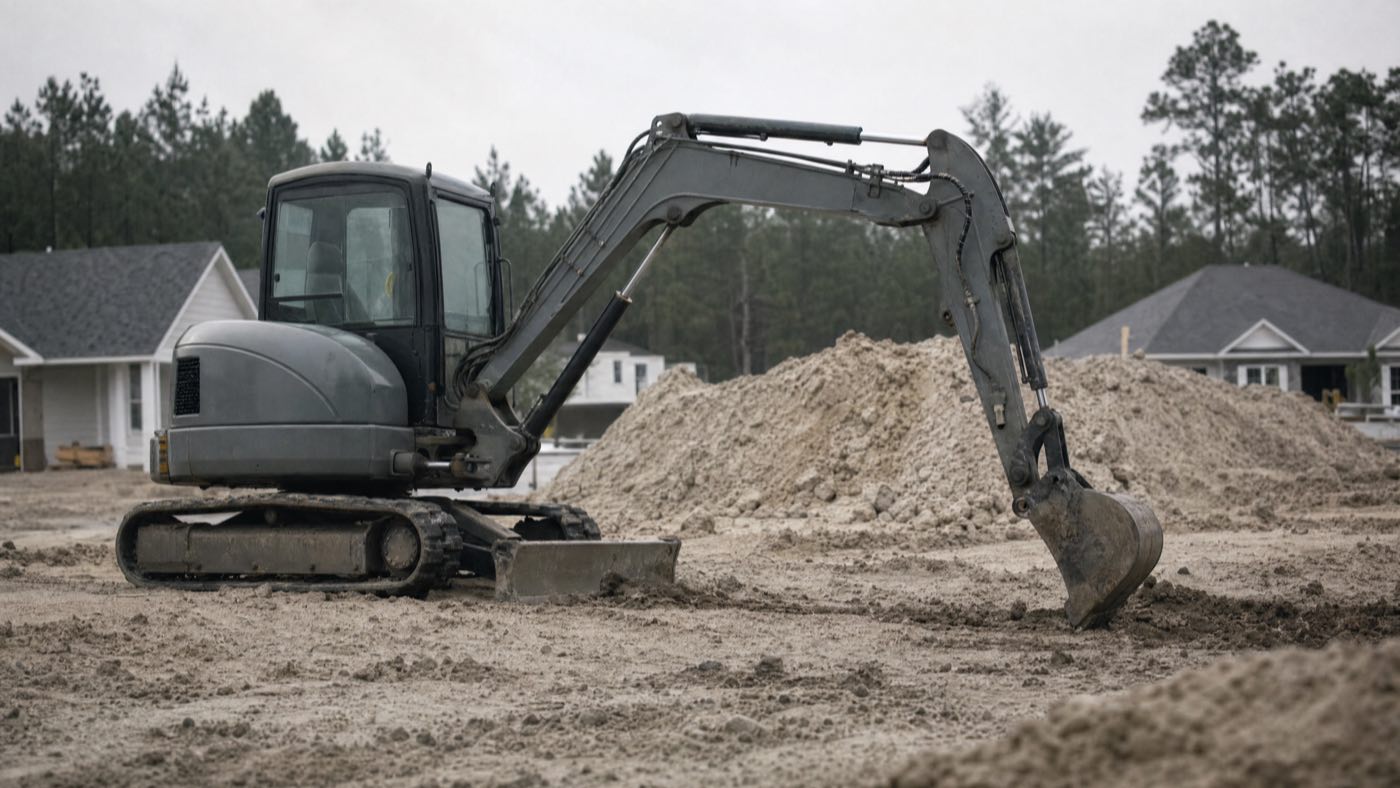
Soil evaluation, permit, excavation, new distribution and new trenches, then restoration. Access matters more than people expect, because equipment has to reach the field and the route it takes is part of the plan rather than an afterthought.
Florida adds its own layer. Where a lot sits, how big it is and whether sewer is available can all change what you are allowed to install, and in some areas the rules now push toward nitrogen reducing systems.
What we install
The equipment we put in the ground
The tanks are Infiltrator and the pipe is ADS. Neither is a house brand and we are not paid to say so: they are what goes in the ground because they hold up in this soil.
Infiltrator
Septic tanks and leachfield chambers
Injection moulded plastic tanks that go in watertight and are lighter to handle than concrete on a tight lot. We also set Infiltrator chambers, the arched domes that replace stone and pipe in the drainfield and give the trench more open volume for the same footprint.
Fuji Clean
Aerobic treatment units
The CEN series. Certified to NSF Standard 40 in Florida, and the same units are certified to NSF Standard 245 for nitrogen reduction, which is what a lot on a restoration-plan parcel needs rather than wants.
Hoot
Aerobic treatment units
Newer to our trucks than the others. Hoot units are on Florida's NSF 40 list, and their ANR unit is NSF 245 certified for nitrogen reduction.
Norweco
Aerobic treatment units
Long established aerobic units. We install and service them, and they carry the same Florida obligations as any other ATU: a maintenance contract for the life of the unit and an operating permit.
Liberty Pumps
Effluent and pump tank pumps
Where a system cannot run on gravity, the pump is the part that decides whether it keeps working. Liberty units are serviceable and their parts are available, which matters more than the badge when one fails on a Sunday.
ADS
Drainage and distribution pipe
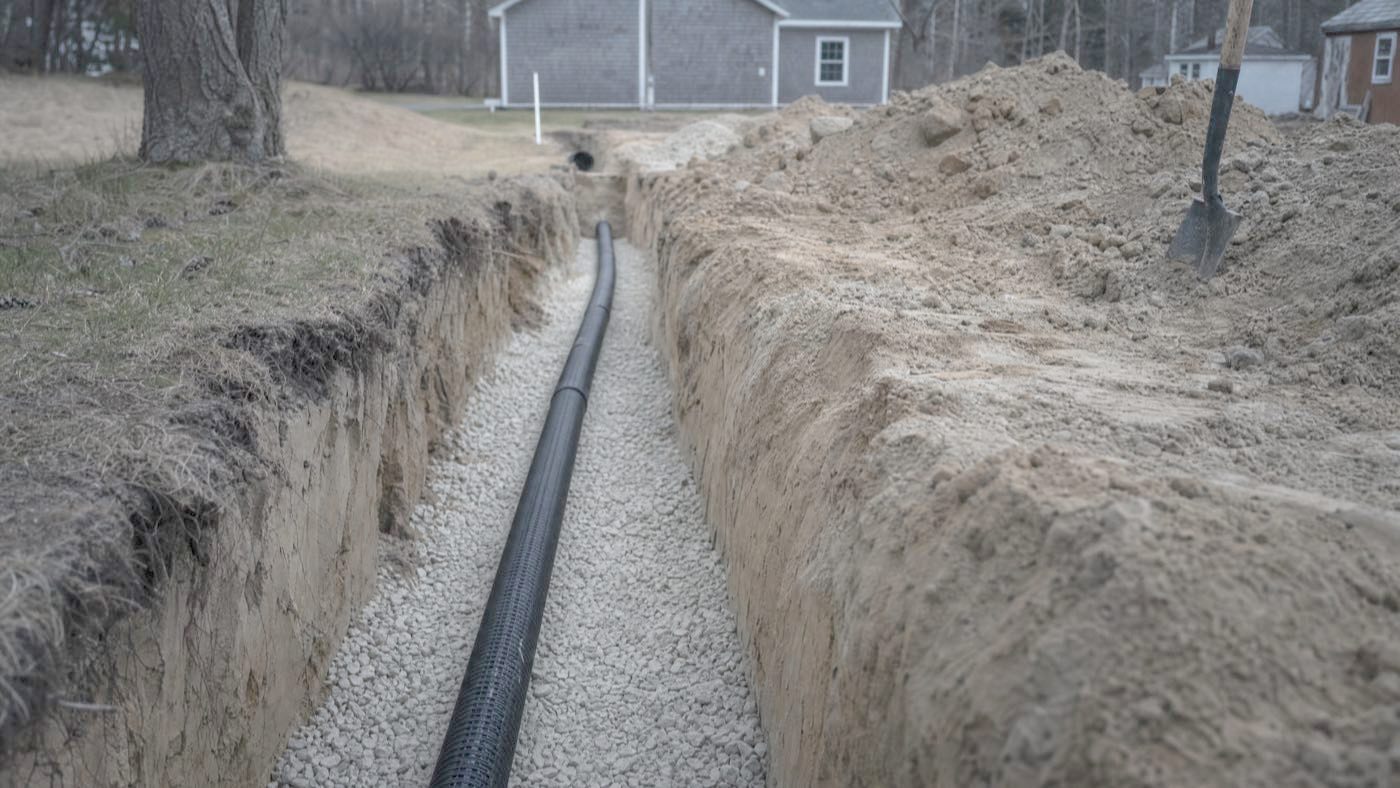
Corrugated HDPE for the runs between tank, distribution box and field. It moves with sandy ground instead of cracking, and it does not corrode.
How the water leaves
Dispersal is a separate choice from treatment
Drip dispersal
Instead of dumping treated effluent into a trench, drip irrigation pushes it slowly through small emitters spread across a shallow field. It puts water into the biologically active top of the soil, needs less vertical clearance than a conventional trench, and can follow ground that a straight trench cannot. It runs on a pump and it needs filtering and periodic flushing, so it is a system with a maintenance schedule rather than one you forget.
Chamber drainfields
Infiltrator domes in place of stone and pipe. The open arch stores more effluent per foot of trench than gravel does, which can shrink the footprint on a lot that has no room to spare.
If the camera shows a repairable fault, we will say so even though the replacement is the larger job. If your field is marginal rather than failed, we will tell you that too, along with what would extend it. A replacement bought a year early is a year of money you did not need to spend.
The visit
What actually happens
Verify the diagnosis
Camera, tank levels and field assessment. No quote before this.
Soil and permit
Evaluation and application, handled and explained as it goes.
Build
Excavation, distribution, trenches, and access planned rather than improvised.
Restore
Your yard put back, discussed before we start rather than after.
What makes replacement quotes vary so much
The soil evaluation and the water table, because they decide whether a field can sit at natural grade or has to be built up. Permitting, which varies by county. The size the house requires. How equipment reaches the work area, which on a fenced lot with mature landscaping is a real constraint. And restoration, which is frequently the difference between two quotes that look otherwise similar.
We do not publish a number for it, because a published price is a quote given without seeing the system.
When you should not buy one yet
If nobody has put a camera in the line, the quote in your hand is an estimate of a guess. A crushed lateral and a dead field produce identical symptoms and wildly different bills.
If a sewer connection is coming to your street, a new field is money in the ground. Check before you commit, and we will keep you serviced in the meantime.
Questions
Drainfield Replacement questions we get
How long does a drainfield replacement take?
Can I put a new field in the same place?
Do I need a nitrogen reducing system?
Will my yard be destroyed?
Related
You might also need
In their words
What customers say
Mullis Septic saved the day! They came out within hours of my call. Professional, polite, and explained everything clearly.
Honest pricing and fast service. It's hard to find reliable contractors these days, but these guys are the real deal.
Highly recommended. They handled our new installation smoothly from permits to final cover-up.
Standing water does not wait
Tell us what is happening
Calling is faster than a form, and you get somebody who can ask the follow up question that actually narrows it down.