No. Biological and enzyme additives have not been shown to reduce the need for routine pumping, and the EPA does not recommend them for residential septic tanks. The reason is mechanical: the sludge layer at the bottom of your tank is largely inorganic and non-degradable material that no bacteria will consume, and removing it is exactly what pumping is for. Some chemical additives can actively damage your system.
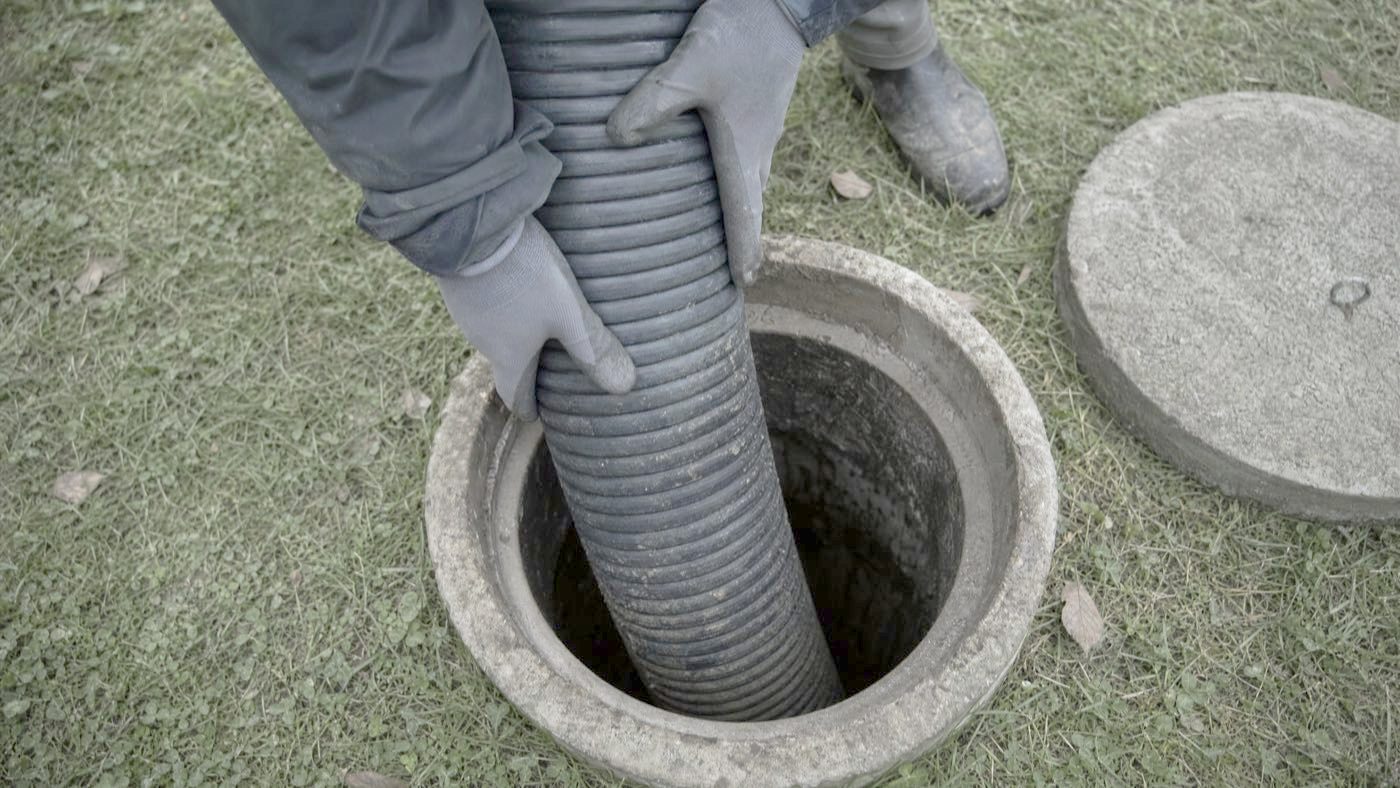
A septic tank is a settling chamber. Wastewater comes in, heavy solids sink and become sludge, grease and light material float and become scum, and the relatively clear liquid in the middle flows out to the drainfield. Bacteria in the tank do break down part of the organic content of that sludge, and they do it without any help from you, because your household supplies them continuously. That process has a hard limit.
The limit is that much of what settles is not food for anything. Grit, sand, soil tracked in from showers, coffee grounds, hair, plastic fibers from laundry, and the mineral residue of everything else you put down the drain. Bacteria cannot eat any of it. It accumulates, and that accumulation is the entire reason pumping exists as a service.
What the Additive Is Actually Doing in Your Tank
Most consumer additives are some combination of bacteria and enzymes. Enzymes accelerate the breakdown of organic material at the surface of the sludge and scum layers. Bacteria add to a population that, in a working tank, is already at capacity because your household reseeds it every single day with far more organisms than a monthly packet contains. So the honest description is that a biological additive does something small to a process that was already happening and was never the bottleneck. The bottleneck is the inorganic fraction, and no enzyme touches it.
The EPA's position is that biological additives do not appear to improve the performance of a healthy septic tank, and university extension work has consistently failed to demonstrate reduced pumping frequency in controlled studies. What you see as a homeowner is nothing at all, which is the trap: the tank was going to work fine for another two years whether or not you bought anything, so the product appears to be working right up until the day it obviously is not.
Why the Sludge Layer Is the Whole Point
Your tank works because the liquid leaving it is relatively clear. As sludge builds from the bottom and scum thickens from the top, the clear zone in the middle gets squeezed thinner, and solids start washing out of the tank with the effluent. Those solids go straight into your drainfield, where they clog the soil pores and the biomat at the trench surface. That is how a drainfield dies, and a dead drainfield is the expensive failure, not a full tank.
So the reason we pump is not that the tank is full of liquid. It is always full of liquid. The reason we pump is to physically remove accumulated sludge and scum before they reach the point of pushing solids downstream. A product that does not remove sludge from the tank cannot substitute for that no matter what it does chemically, and no additive removes sludge. Nothing in a bottle carries material out of your yard.
The Additives That Can Actually Hurt You
Biological additives are mostly harmless to the system and harmful only to your budget. Chemical additives are a different category. Solvents and degreasers sold to clear a sluggish tank can kill the bacteria you actually need, pass through untreated, and reach groundwater, which matters a great deal if you or your neighbors are on private wells. Products sold to open a failing drainfield are the ones we see most often, usually bought after a backup, and the mechanism they claim does not match how a biomat clogs.
There is one more cost that never shows up on the label. Additives sell people the idea that they can skip a pumping, and the skipped pumping is what causes the damage. We have opened plenty of tanks where the sludge layer had reached the outlet and the drainfield was already compromised, in houses where somebody had faithfully dosed a product every month for years and believed they were maintaining the system. They were paying for permission to skip the one thing that works.
Since we are being honest about additives, we should be honest about our own service. Pumping on a fixed schedule you read on the internet is not maintenance either. The right interval depends on tank size, how many people live in the house, whether you run a garbage disposal, and how much water you use, and the way to know is to measure the sludge and scum depth rather than count years. If we open your tank and it does not need pumping yet, we will tell you, and tell you roughly when to call back. That is a worse business model and a better answer.
Questions
Related questions
Will RID-X or a similar product let me skip a pumping?
Are septic additives harmful?
My tank smells or drains slowly. Will an additive fix it?
So how often should I actually pump?
Standing water does not wait
Tell us what is happening
Calling is faster than a form, and you get somebody who can ask the follow up question that actually narrows it down.