JEA and the City of Jacksonville run a Septic Tank Phase Out Program that extends sewer into priority Duval neighborhoods and connects homes that are currently on septic. Neighborhoods are selected in phases and generally have to reach a participation threshold before design and construction proceed. When you connect, the old tank has to be properly abandoned under Florida rules, which means pumped, crushed or perforated, and backfilled under permit.
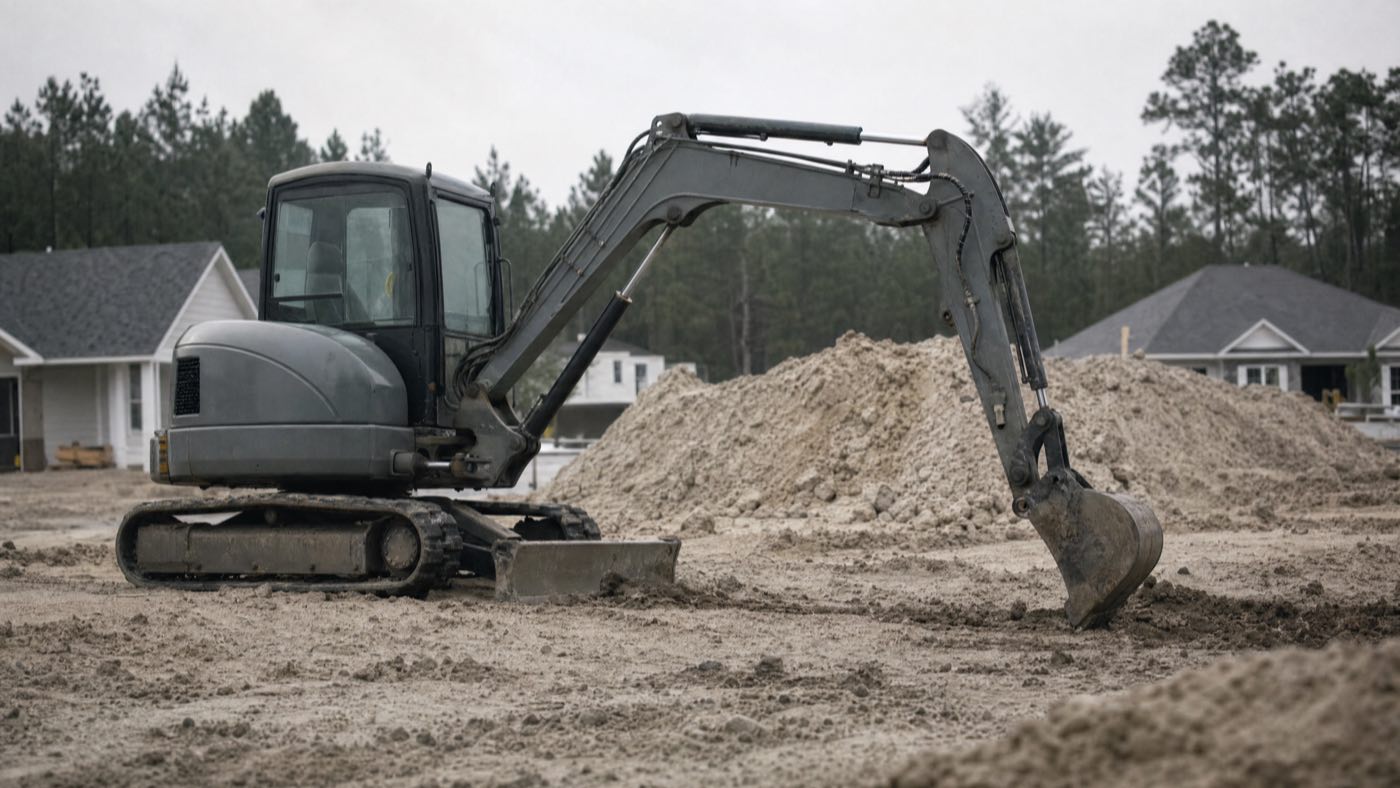
The Septic Tank Phase Out Program is a joint effort between JEA and the City of Jacksonville to move neighborhoods off onsite septic and onto central sewer, driven largely by nutrient loading in the St. Johns River and its tributaries. It has real construction underway, and it moves neighborhood by neighborhood rather than all at once.
The details change and the official information is spread across JEA, the City, and county permitting, so everything specific below is flagged for verification. Confirm anything that affects your money directly with JEA and the City rather than with us. What we can speak to with confidence is the part that happens in your yard.
How the Program Works and Which Areas Are In It
The program identifies priority neighborhoods, then works through them in sequence: outreach and participation paperwork, then design and engineering, then construction of the sewer mains, then the actual connections. The sequence is long, so a neighborhood holding its kickoff meeting this year may not see homes physically connected for several years. Neighborhoods publicly named at various points include Biltmore, Beverly Hills, Christobel and Riverview, with a longer list of future priority areas behind them.
A neighborhood generally has to reach a participation threshold before the project advances to design, which is why that paperwork matters. JEA and the City notify affected property owners directly by mail and email, so if you have not been contacted you are most likely not in a current phase.
What It Costs You, and Where the Cost Actually Lands
The program has historically been described as covering the sewer main installation, the connection, permits and fees, and proper abandonment of the existing septic system at no cost to the participating property owner, funded through a mix of JEA, City, and federal money. Where homeowners still hit costs is on their own side: plumbing modifications inside or under the house, landscaping and hardscape that has to come out and go back, and any repair the inspection turns up.
There is also an ongoing cost that appears in no program document: your sewer bill. Septic has essentially no monthly cost between pumpings, while sewer is billed every month for as long as you own the house. That is not an argument against connecting, which for most properties is clearly the right long-term move. It is just the number people are surprised by. The City has offered assistance programs for connection costs for qualifying households.
What Happens to the Tank in Your Yard
This is the part we do, so this is the part we can be precise about. Under Florida rules, a tank taken out of service cannot be left in the ground full and forgotten. Abandonment is permitted work: the tank is pumped out completely by a licensed hauler with the septage disposed of at a permitted treatment facility, the bottom is crushed, caved in, or perforated so it cannot hold water again, and the void is filled with clean sand or other suitable material, graded, then inspected.
The reason the rule exists is simple. An intact abandoned tank is a buried void with a lid on it, and lids fail. People and animals fall into them. If the phase-out program is covering abandonment on your property, do not pay anyone separately for it, and confirm with JEA before you hire anybody. If you are abandoning a tank outside the program, because you are connecting on your own or clearing an old unused tank, that is work we do.
We are not part of the phase-out program, we have no inside information on the schedule, and we cannot get your street moved up the list. If you want to know when sewer reaches your address or what your household will owe, JEA and the City are the only correct sources and we will point you there rather than guess. We also will not sell you a tank abandonment the program is already paying for, so check whether your property is covered before you hire us. We would rather lose the job than take money for work the City already funded.
Questions
Related questions
How do I find out if my neighborhood is in the phase-out?
Do I have to connect if sewer comes down my street?
What happens to my septic tank once I am on sewer?
What does septic tank abandonment cost?
Standing water does not wait
Tell us what is happening
Calling is faster than a form, and you get somebody who can ask the follow up question that actually narrows it down.