Before a storm, secure your tank lid and risers, cut power to any pump or aerator, move roof runoff away from the drainfield, and mark where the tank and drainfield are so nobody drives over them. After the storm, stop using water until the ground drains, and do not pump the tank while the soil is saturated because an emptied tank can float. Inspect once the ground is dry.
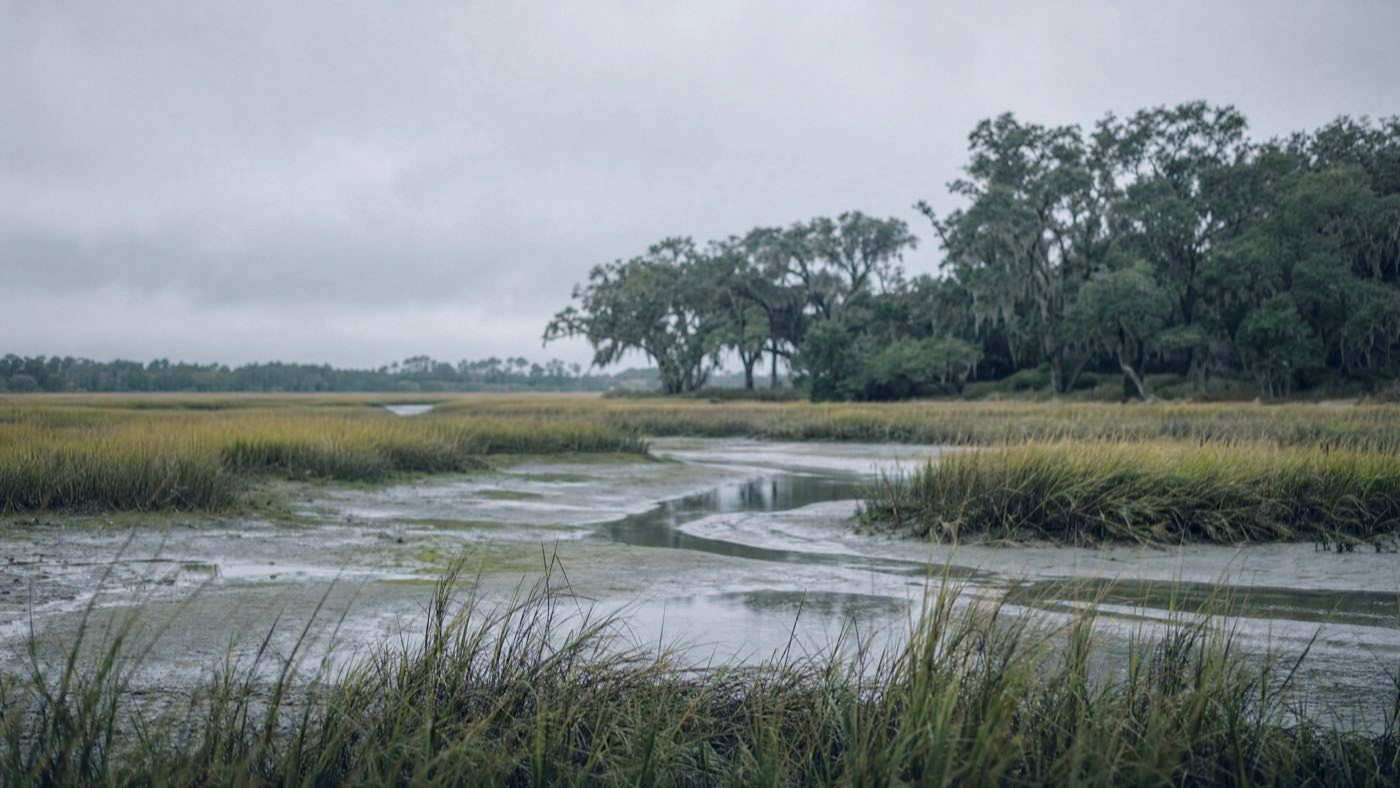
A septic system has little to fear from wind. What it has to fear is water: storm surge, several inches of rain in a few hours, a regional water table that comes up and stays up, and heavy equipment rolling across a drainfield during cleanup. Everything useful you can do beforehand is about keeping water out of places it does not belong and keeping weight off soil that is about to get soft.
We work across Duval, Clay, St. Johns, Nassau, Baker, Putnam and Bradford counties, and the pattern after every storm is the same. A handful of systems take real damage. Most of our calls are from systems that are simply underwater and would recover on their own. Telling those apart saves you money.
Before the Storm: The Short List That Actually Helps
Start with the lid and risers, the direct path for floodwater, mud and debris into your tank. A lid that is cracked, loose, or sitting proud of the grade should be secured, and any inspection port or cleanout cap seated tight. Then deal with electrical: if you have a pump, an aerator, or a control panel with an alarm, cut power to it before the storm so a surge or a submerged component does not destroy it. A drowned pump is one of the most common pieces of genuine storm damage we replace, and it is largely preventable.
Next, walk the yard and look at where water will go. Downspouts aimed near the drainfield should be extended or redirected, because that is water you are voluntarily adding to soil about to saturate anyway. Finally, mark the tank lid and drainfield corners with stakes. After a storm your yard fills with debris, contractors and trucks, and a drainfield driven over by a loaded tree service truck in soft soil is a drainfield you will be replacing. Marking it costs nothing.
The Pre-Storm Pump-Out: When It Helps and When It Is a Bad Idea
You will see plenty of advice, ours included in the right circumstances, to pump the tank before a storm. The logic is simple: a tank holding less liquid has a little more buffer before it overflows once the drainfield stops accepting water. That logic holds only when you are already due and the ground is still dry. If the ground is already saturated from a wet week ahead of the storm, an emptied tank is a sealed empty box sitting in wet soil, and buoyancy can lift it and break the inlet and outlet connections. That is the exact failure UF IFAS extension guidance warns about.
So here is our position, which costs us work. Overdue and dry ground: pump, and you get a small real benefit. Pumped within the last year or two, or ground already soaked: skip it. A pre-storm pump-out is not hurricane insurance and it does not stop a drainfield from flooding. We would rather you spent that money securing the lid and cutting power to the pump.
After the Storm: Damage or Just Saturated Ground
For the first several days after a major storm, assume your drainfield cannot accept water. Use as little as you can, avoid laundry, and do not pour cleanup water down a drain. If sewage is surfacing in the yard or backing into the house, treat it as a health hazard and keep people and pets off it. If you are on a private well, have it tested before you drink from it, because flooding is exactly how surface contamination reaches a wellhead.
Once the ground has actually drained, an inspection is worth paying for. We look for a tank that shifted or floated, separated inlet or outlet piping, a lid or riser that took on mud and silt, a drainfield that settled or eroded, and pumps and controls that were submerged. Those are real repairs. A system that simply had a wet week needs nothing, and we will tell you that. Booking while the yard is still soft usually means paying us to tell you to wait.
We do not make response-time promises during a hurricane. After a major storm the roads are the roads, the whole region calls the same week, and any company promising to be at your house within a set number of hours is telling you what you want to hear. We will tell you honestly where you sit in the queue. We also cannot prevent flooding damage, only reduce it: if your system sits in a surge zone, there is a level of water at which nothing we install stays working.
Questions
Related questions
Should I pump my septic tank before a hurricane?
Can I use my septic system during a hurricane?
How do I know if the storm actually damaged my system?
What does storm damage repair cost?
Standing water does not wait
Tell us what is happening
Calling is faster than a form, and you get somebody who can ask the follow up question that actually narrows it down.