With a septic system, flush only human waste and toilet paper. Keep out wipes of every kind including those labeled flushable, cooking grease and oil, coffee grounds, cat litter, paper towels, dental floss, feminine hygiene products, diapers, cigarette butts, medications, and any paint, solvent, fuel, pesticide or chemical drain opener. Each one either fails to break down or kills the tank's bacteria.
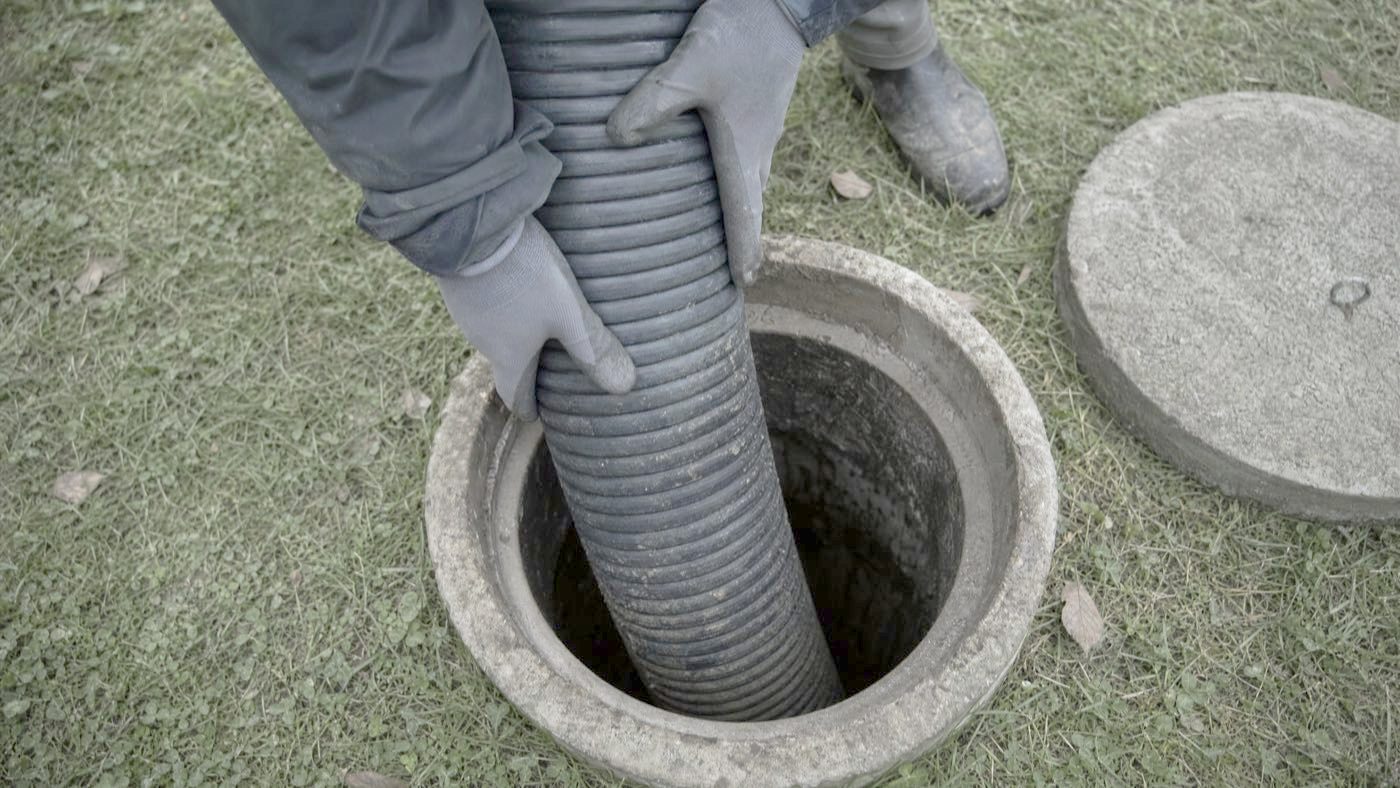
Two things happen inside your tank: gravity separates, and anaerobic bacteria digest. Anything that defeats one of those two ends up as permanent volume in the sludge or scum layer, or as solids escaping into the drainfield where nothing can retrieve them.
This is not a list of preferences. It is a list of materials that behave badly in a settling chamber, and here is what each one actually does.
Wipes, including the ones labeled flushable
Toilet paper is engineered to fall apart. It is made of short fibers held together by weak bonds, and it starts breaking up within seconds of hitting water. Wipes are engineered for the opposite outcome, because a wipe that disintegrated in your hand would be useless, so they use long or synthetic fibers and binders that hold up when wet. In independent disintegration testing of over 100 household products, conventional toilet paper was effectively the only category that fully broke apart. The flushable label describes what fits down the trap, not what happens afterward.
In a septic tank, an intact wipe does not settle cleanly and does not digest, so it lodges in the scum mat, drapes over the inlet or outlet tee, or accumulates into a rope that plugs the line. If you have a pump tank or an engineered system, wipes wrap the impeller and burn out the pump. Nothing labeled flushable is septic safe. Put wipes in the trash.
Grease, coffee grounds and cat litter
Cooking grease pours as a liquid and cools into a solid, which means it goes down the drain looking harmless and arrives in the tank as scum. It thickens the top layer, shortens the working volume, and when the mat gets deep enough, grease carries over into the drainfield where it coats soil pores and reduces the rate at which they accept water. That is drainfield damage caused at the kitchen sink. Let it cool, scrape it into the trash, and wipe pans out with a paper towel before washing.
Coffee grounds do not digest. They settle straight into the sludge blanket and stay there, so a heavy coffee household is quietly shortening its own pumping interval every morning. Cat litter is worse, because clay litter is designed to absorb liquid and swell. It hits the bottom of the tank as dense, non degradable sediment that pumps out slowly and takes up volume the whole time it is in there. Neither belongs in a septic system in any quantity.
Paint, solvents and the chemical shortcuts
Oil based paint, thinner, gasoline, motor oil, antifreeze, pesticides and large volumes of disinfectant do something different from the items above. They do not clog anything. They kill the anaerobic bacteria that digest sludge, and a tank with a suppressed culture accumulates solids faster and passes more of them downstream. Some of these also move through the soil with the effluent, and in much of Northeast Florida that soil sits above the aquifer that supplies drinking water wells. These go to a household hazardous waste collection site, not down a drain.
Chemical drain openers are the everyday version of the same mistake. They are harsh, they rarely solve a real blockage in a main line, and they arrive in the tank as a slug of caustic. Use boiling water or a drain snake, and if the whole house is slow, skip the bottle entirely, because a house wide symptom is never a job for a drain chemical. Latex paint, medications, dental floss, paper towels, feminine hygiene products, condoms, diapers and cigarette butts round out the list, all for the same reason: they will still be in your tank years from now.
We can pump wipes and grease out of a tank, and we will. What we cannot do is keep them from coming back, so if nothing changes at the sink and the toilet, you are buying the same service again on a shorter cycle. That is not a maintenance problem we can solve with a truck. We also do not sell tank additives, enzyme packs or bacterial starters. A working tank seeds itself continuously from your own wastewater, and the products marketed to help it are, at best, money that would be better spent on the pump out.
Questions
Related questions
Is bleach safe with a septic system?
What about a garbage disposal?
Are septic safe wipes actually safe?
What about a water softener discharge?
Standing water does not wait
Tell us what is happening
Calling is faster than a form, and you get somebody who can ask the follow up question that actually narrows it down.